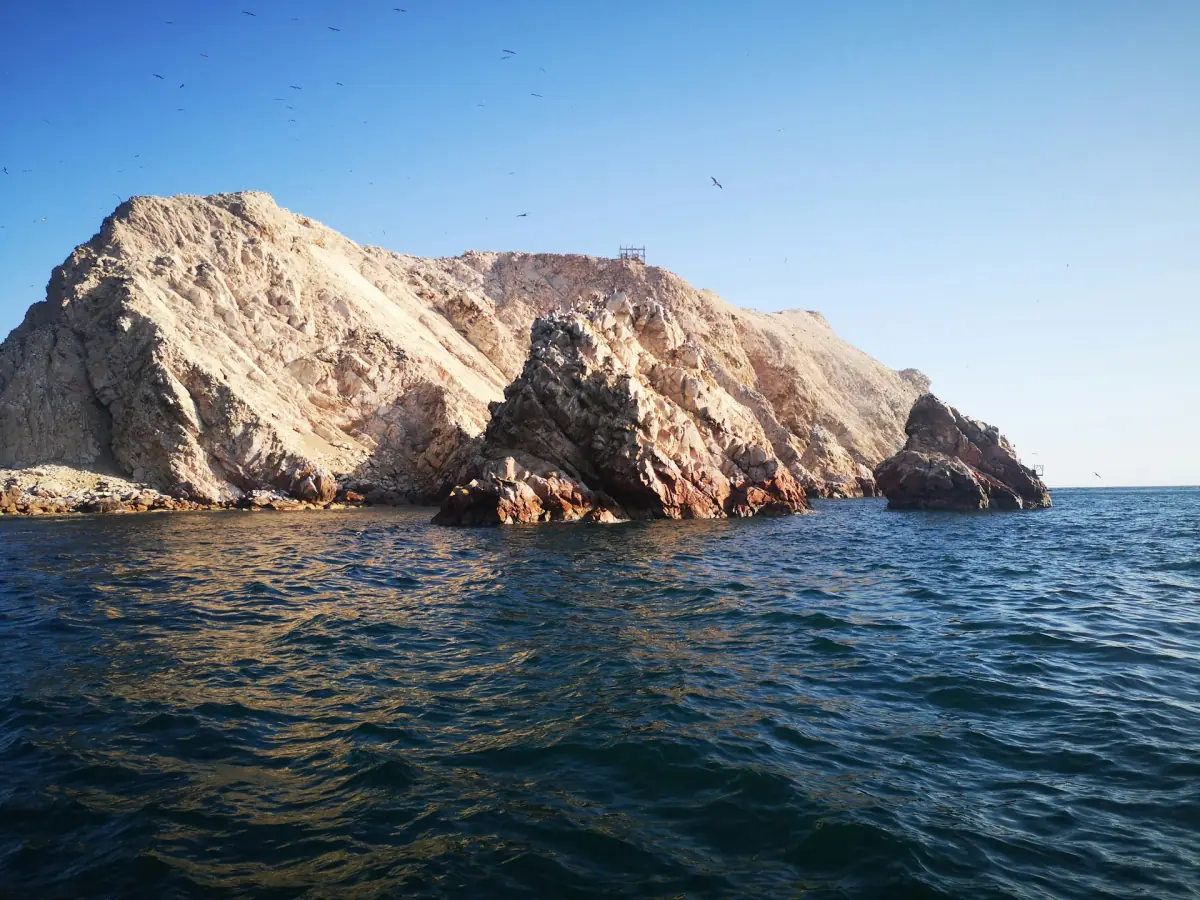
Choosing the best time to visit Paracas around your plans
The best time to visit Paracas is a practical choice about the activities that matter most to the trip. SERNANP describes Ballestas as a year-round destination. That gives scope for planning a visit in different parts of the year, while the actual boat departure still depends on sea conditions. Build a sea outing into the itinerary with enough flexibility to respond to the day's arrangements.
For a stay focused on the water, begin with the Ballestas boat experience and leave room around it. For a visit focused on the coast by road, read about Paracas National Reserve and consider how a land excursion fits the stay. The reserve and Ballestas are separate protected areas, so organise their visits as separate parts of the trip.

Our pick: Ballestas boat outing
A guided boat outing lets you plan a visit around sea conditions.
Hand-picked tours, booked through Viator. Prices are indicative starting prices in US dollars (as of November 2026). Tap a tour for live availability and the current price in your currency.

Plan a Ballestas boat outing
A two-hour boat experience with a guide and lifejacket; reach the meeting office 30 minutes before the outing.
Paracas weather: wind and regional coastal mist
Local sand winds are part of the Paracas setting. Plan for wind without relying on a fixed daily wind hour or a particular monthly pattern. Pack a layer that can provide wind protection and keep loose belongings secure. Let the forecast and the instructions for your activity guide the final choice of clothing on the day.
Winter mist and garúa occur in parts of Peru's dry coastal region. That is regional context rather than a prediction of a particular misty morning in Paracas. Avoid organising a visit around an assumed number of clear or foggy days. A forecast for the actual destination is more useful for the immediate decision than treating the whole coast as having identical conditions.
Prepare for both the boat and any time on land. Bring practical sun protection, suitable footwear and clothing that can be adjusted between activities. A desert landscape is not a reason to leave wind protection behind. Keep the items needed during the outing accessible rather than packed away with luggage intended for the onward journey.
Boat departure times and visitor-office hours
The published Ballestas administrative window is Monday to Sunday, 06:00 to 13:00. This describes the administrative window; take the boat's meeting time from the actual reservation. A visitor-office schedule does not give a seat on a particular sailing. Save the office or pier address together with the check-in instructions before travelling to the departure area.
The Ballestas trip featured here lists a two-hour outing, with a lifejacket and official tourism guide. Its meeting instructions ask guests to reach the office 30 minutes in advance before going to the dock. Use that check-in requirement when working backwards from departure. Allow separately for reaching the office from your accommodation, especially if arriving in Paracas on the same day.
The arrival guide helps distinguish the bus terminal, accommodation and boat meeting point. Keep the timing of those journeys separate from the boat duration. A flexible itinerary is easier to adjust than a tightly connected sequence built from administrative hours and an approximate road arrival.
Sea conditions, boat behaviour and wildlife
Sea conditions affect whether outings can run. Check the day's instructions close to the excursion and follow any current official restrictions. A year-round visiting season should be used to plan a possible trip, rather than as a promise of operation on a chosen date. Keep onward transport arrangements in mind when deciding how much space to allow around the sea portion.
On board, wear the lifejacket, remain seated and avoid abrupt movements. Do not feed wildlife or make disturbing noise, and take rubbish away. Sea lions and Humboldt penguins are among the wildlife associated with Ballestas, but the animals live freely. Let the actual observation be part of the experience instead of choosing a date around a promised sighting or a fixed animal calendar.
Boat travel, protected-area admission and harbour charges are different parts of the visit. Compare the included services of the chosen product and set aside any applicable additional charges. The guide and lifejacket listed for this outing should be kept distinct from admission arrangements when budgeting for the day.
Leaving useful flexibility in the stay
Place your most important excursion where the schedule gives it room. If you also want the geoglyph perspective or the museum, use the Candelabra and museum guide to plan them as different visits. A museum visit has its own schedule and admission, while seeing the geoglyph from the water remains part of the coastal boat setting.
Choose where to stay with the actual departure address in mind, then keep the day's essentials ready. When reviewing weather information, distinguish a forecast for your travel dates from an older notice with an end date. Let current arrangements determine the day's movements rather than using an expired regional warning as an answer about a particular pier.
Frequently asked questions
Can Ballestas be visited throughout the year?
SERNANP describes a year-round visiting season. Individual sailings depend on sea conditions and the arrangements for the chosen day.
Do administrative hours give the boat departure?
Use the boat reservation for the meeting and sailing times. The administrative window of 06:00 to 13:00 is a separate schedule.
What clothing is useful?
Prepare sun protection and an adjustable layer for wind, with suitable footwear. Keep loose belongings secure and follow the activity instructions for the day.
Can a month guarantee penguin or sea-lion sightings?
The animals live freely. Plan a wildlife observation trip without treating a date as a guarantee of a particular sighting.